How Do Semaglutides Work?
A Smarter Approach to Medical Weight Loss in Charleston
Biology, consistency, and access to the right medical support all contribute to maintaining a healthy weight. For many patients, traditional approaches like dieting and exercise alone don’t address the underlying metabolic factors that drive weight gain.
That’s where semaglutide comes in.
At Holy City Med, semaglutide is not treated as a standalone solution. It’s integrated into a structured, medically guided weight loss program designed to deliver sustainable, long-term outcomes.
If you’re looking for semaglutide for weight loss in Charleston, here’s what actually matters, how it works, and how it fits into a complete care model.
What Is Semaglutide?
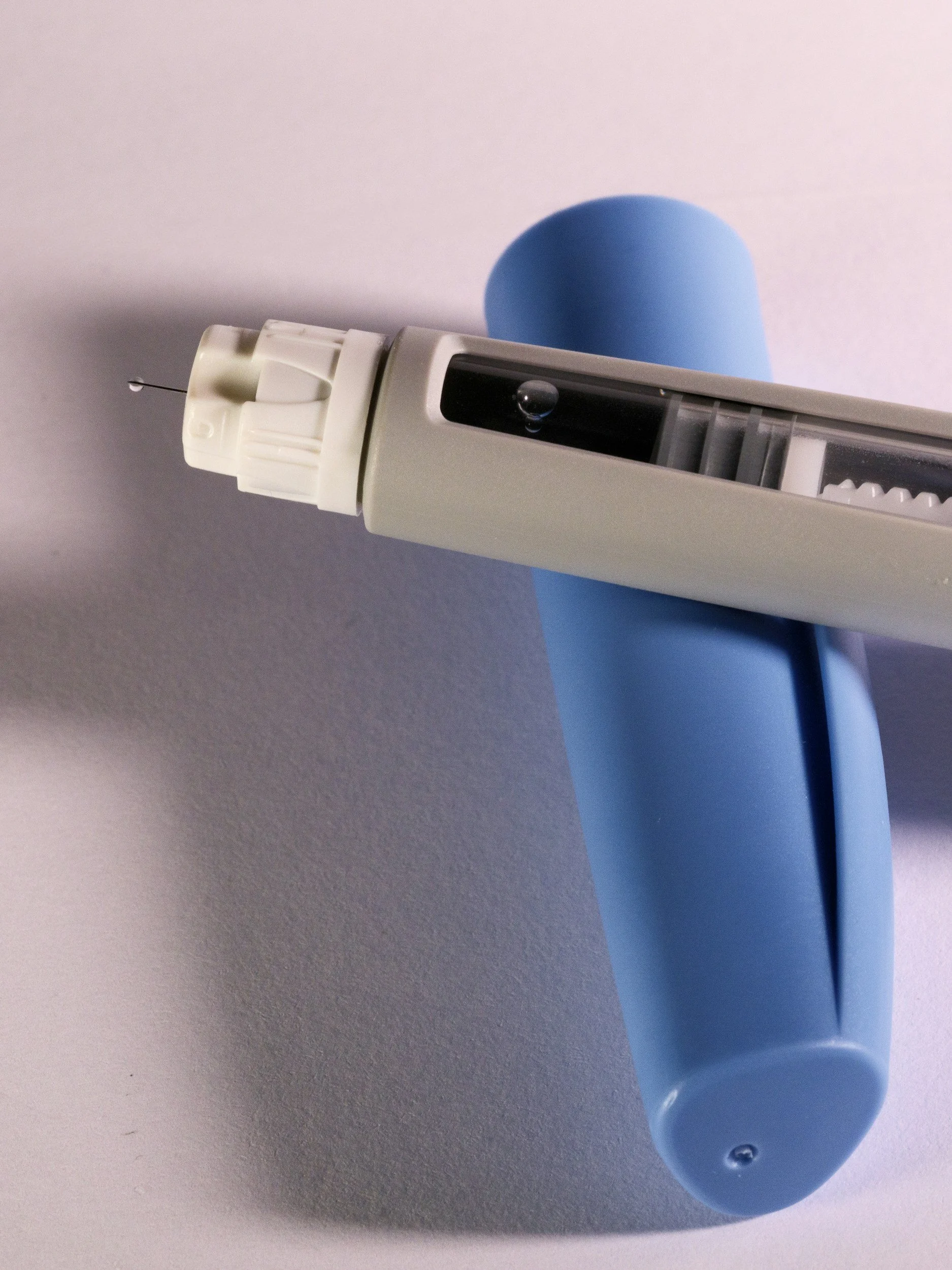
Semaglutide is a GLP-1 receptor agonist originally developed to regulate blood sugar in patients with type 2 diabetes. During clinical use, providers observed consistent and significant weight loss in patients using the medication.
That observation led to its adoption as a medical weight loss treatment, now widely prescribed under clinical supervision for patients who qualify.
But the real value isn’t just that it helps people lose weight. It’s how it does it.
How Do Semaglutides Work?
Semaglutide targets multiple systems involved in appetite, digestion, and blood sugar regulation. Instead of forcing weight loss through restriction, it adjusts how the body naturally responds to food.
Here’s what’s happening at a physiological level:
Appetite Regulation (Brain Signaling): Semaglutide mimics the GLP-1 hormone, which signals satiety to the brain. This reduces hunger and helps you feel full sooner, leading to lower caloric intake without constant effort.
Slower Gastric Emptying: Food moves more slowly through the stomach, extending feelings of fullness after meals and reducing the urge to snack.
Blood Sugar Stability: It helps regulate insulin release and prevents large glucose spikes and crashes, which are among the main drivers of cravings and overeating.
Reduced Food Noise: Patients often report fewer intrusive thoughts about food, making it easier to stick to structured nutrition plans.
This combination creates a controlled, repeatable environment for weight loss, something most diet-based approaches fail to deliver in the long term.
Why Semaglutide Works Better Inside a Structured Program
Taking semaglutide without medical oversight is when most people run into issues, plateaus, inconsistent results, or weight regain. At Holy City Med, semaglutide is part of a medically managed weight loss system, not a quick fix.
Learn more about our Weight Loss Program Page.
This program is designed to address the full picture:
Clinical evaluation and ongoing provider oversight
Nutrition guidance tailored to your metabolism and goals
Lifestyle and behavioral support
Progress tracking and medication adjustments
This approach reduces risk, improves adherence, and drives more predictable results.
Built Into a Medical Membership Model
One of the biggest barriers to consistent care is cost and access. That’s why Holy City Med integrates weight loss into its medical membership model. Instead of fragmented care across multiple providers, patients get:
Unlimited in-clinic visits
Virtual care
Ongoing weight loss management support
Free mediation pick-up or $35 delivery
Predictable monthly costs
If you’re looking for semaglutide nearby, you can conveniently choose from free same-day in-office pick-up when available or have the medication shipped right to your door.
Semaglutide starts as low as $99/month
Tirzepatide starts at $149/month
This model removes friction from the process. No insurance battles. No surprise bills. Just consistent, accessible care.
What Results Can You Expect?
Semaglutide is not magic, but when used correctly, it’s highly effective. Patients typically experience:
Gradual, sustained weight loss
Reduced cravings and portion sizes
Improved metabolic markers
Better long-term adherence compared to diet-only approaches
Results vary based on starting point, consistency, and program participation, but the key difference is the level of control. You’re not relying on motivation alone anymore.
Who Is a Good Candidate?
Semaglutide isn’t for everyone, and that’s by design. At Holy City Med, patients are evaluated before starting treatment to determine eligibility and safety.
You may be a candidate if you:
Have struggled with long-term weight management
Have a BMI in the overweight or obese range
Are looking for medically guided weight loss, not shortcuts
Want a structured, accountable program
The goal is not rapid weight loss. It’s sustainable, medically responsible progress.
Start With a System, Not Just a Prescription
Most weight loss attempts fail because they lack structure. Semaglutide changes the biological side, but without guidance, patients often fall back into old patterns.
Holy City Med closes that gap.
With a combined approach of medication, clinical oversight, and ongoing support, patients get a system they can actually follow.
Take the Next Step
If you’re ready to explore semaglutide for weight loss in Charleston, start with a consultation.
Get access to a care model built around simplicity, transparency, and real results, not short-term fixes.